
Tyranny is the absence of the rule of law, where the most powerful claim to be the law, to define the law, and to enforce the law without democratic restraints. There are many terms for tyranny: autocratic rule, dictatorship, fascist rule. Our Founding Fathers knew it when they saw it, and sought to craft a government that would protect the republic.
Here’s what Alexander Hamilton had to say about tyranny:
“History will teach us…those men who have overturned the liberties of republics the greatest number have begun their career, by paying an obsequious court to the people, commencing Demagogues and ending Tyrants.” – Federalist Papers No. 1
Here’s what Founding Father James Madison said about tyranny:
“The accumulation of all powers, legislative, executive, and judiciary, in the same hands, whether of one, a few, or many, and whether hereditary, selfappointed, or elective, may justly be pronounced the very definition of tyranny.” – Federalist Papers No. 47.
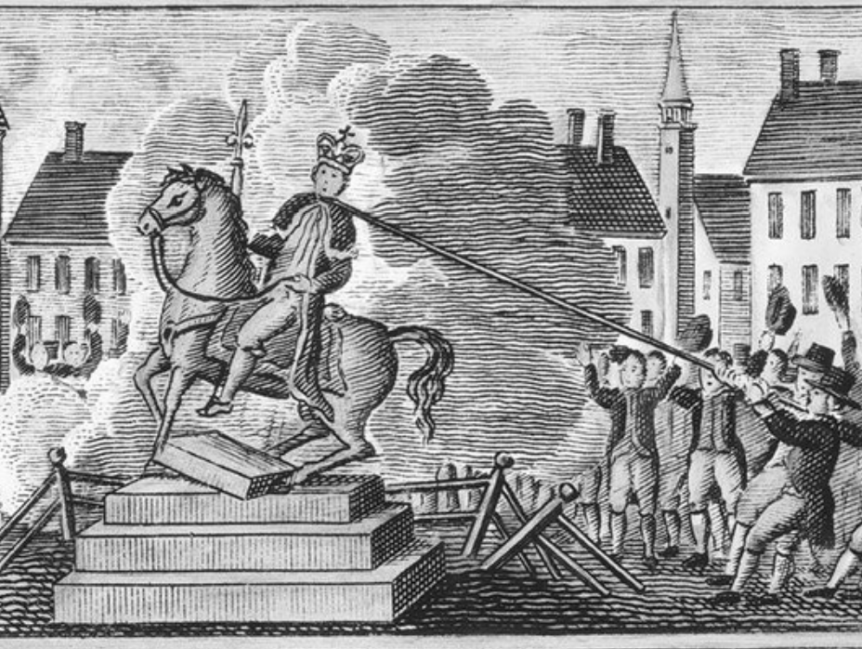
 Citizens Resisting Tyranny